
Articles
Real-time monitoring reveals mine water quality changes between sampling events
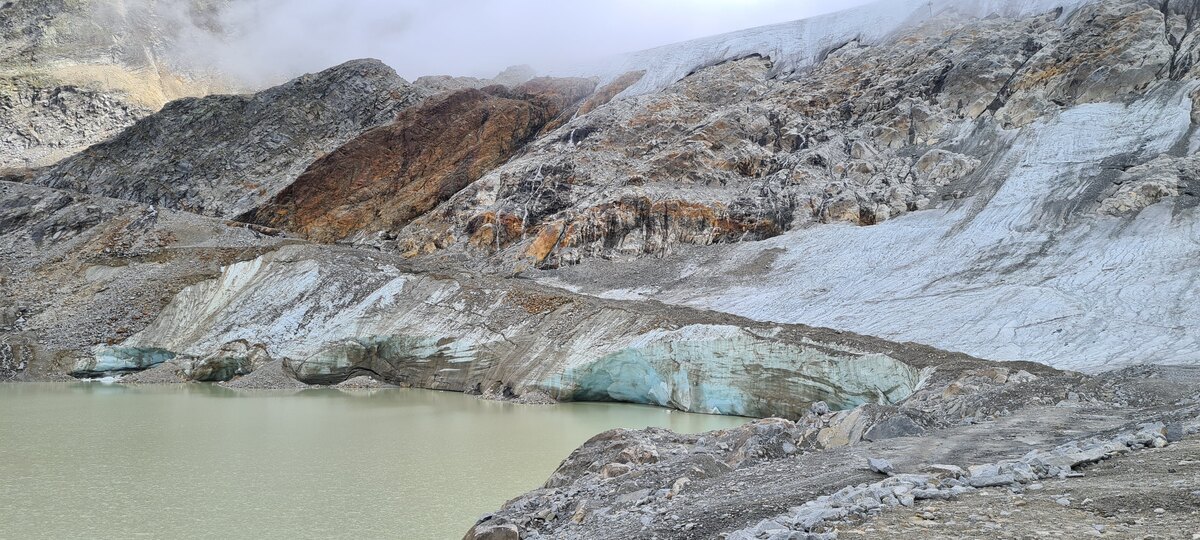
In a mining operation, water quality affects mineral processing performance, water reuse and environmental loading. Real-time water quality monitoring helps detect changes between sampling events. When monitoring data is combined with process data, laboratory analyses and agreed response procedures, changes can be addressed promptly.
Sampling and laboratory analyses provide essential information on water composition. However, water quality can change rapidly between sampling events, leaving uncertainty about when a change began, how long it lasted and how it developed.
LIQUM 6th Sense complements existing monitoring by providing a continuously updated picture of changes in water quality. The service helps identify anomalies and target further investigations at the right location and at the right time.
Mine water management needs to address two key questions: what is the quality of the water returned to the process, and what is the quality of the water discharged from the mine site into the receiving water body?
Recycled water quality affects process performance
Mine water composition is influenced by the minerals in the ore and waste rock, mineral processing methods, process reagents and water treatment. As mining progresses, the characteristics of the material being processed may change, along with its effects on water quality.
Water recycling reduces freshwater demand, but dissolved substances and residual reagents can accumulate in the water circuit. The composition of recycled water, in turn, affects mineral processing performance. For example, redox conditions in the water and slurry can influence mineral surface reactions and the performance of flotation reagents. These effects depend on factors such as ore characteristics, pH and the reagents used.
Real-time water quality monitoring helps investigate whether changes in process performance are linked to recycled water conditions. Reviewing monitoring data alongside metallurgical recovery, concentrate quality and reagent dosing helps identify relationships between changes and assess corrective actions. Real-time monitoring also supports improvements to water circuits and water treatment.
Impacts of discharge also depend on the receiving water body
The load of substances entering a receiving water body from a mine site is determined by discharge volumes and substance concentrations. The chemical makeup of these substances also influences their movement and behaviour in the receiving environment.
Depending on the mine, relevant substances may include sulphur and nitrogen compounds, metals and metalloids, salts, suspended solids, and residual process reagents and their reaction products. Monitoring must therefore be based on an understanding of the site’s water chemistry and operations.
Environmental impacts also depend on the duration and timing of the discharge and prevailing conditions in the receiving water body. In a small river, low flow can limit dilution. In a lake, salt loading can strengthen stratification and reduce oxygen levels in deeper waters.
Water management therefore requires information on both the water being discharged and the condition of the receiving water body.
AI detects changes in the water’s electrochemical fingerprint
LIQUM 6th Sense is an AI-based real-time water quality monitoring service that uses wireless sensors to track the electrochemical behaviour of water. The resulting electrochemical fingerprint reflects the condition of the water and chemical changes occurring within it.
Water quality data is automatically transmitted for analysis in real time. The AI learns to recognise the site’s normal water behaviour and detects deviations from it. Continuous monitoring helps establish when a change begins, how quickly it develops and how long it lasts.
An anomaly alone does not identify the cause of a change, the concentration of an individual substance or whether the water is suitable for its intended use. The cause and significance of a change are investigated by combining monitoring data with laboratory analyses, process data and expert assessment. This helps focus further investigations on situations that require attention.
Monitoring locations connect the process with the receiving environment
A comprehensive picture of mine water quality is built from complementary monitoring locations. Monitoring process water, recycled water, and water treatment influent and effluent helps establish where water conditions change and how effectively treatment is working.
Key monitoring locations for discharges to the receiving environment include:
- The receiving water body upstream of the discharge point, to establish the background conditions before the influence of the discharge.
- The end of the discharge line, before mixing with the receiving water, to characterise the quality of the discharged water.
- The receiving water body downstream of the discharge point, to track how changes appear and propagate.
Locations are selected based on flow patterns, mixing and water travel times. Other relevant water pathways at the mine site are also considered. Comparing observations across locations over time helps assess the potential origin of an anomaly and distinguish discharge-related changes from other variability in the receiving water body.
If an anomaly is detected before discharge, and the site has sufficient retention time and the necessary infrastructure, there is time to check treatment performance and, where necessary, retain the water or divert it for further treatment.
From observations to agreed actions
The value of real-time water quality monitoring lies in the ability to turn information into action. During implementation, monitoring locations are defined, normal site variability is considered and quality assurance procedures are agreed. Alert recipients are designated, and procedures are established for checking the situation, taking samples and deciding on follow-up actions.
In mineral processing, water quality data supports improvements to water circuits and water treatment. In environmental risk management, continuous monitoring complements flow data and laboratory analyses. Assessing ecological impacts also requires biological monitoring.
Water stewardship is strengthened when changes in water quality are detected in real time, observations are traceable and action follows. LIQUM 6th Sense makes water quality changes visible between sampling events, helping operators respond appropriately and in time.
Latest News
-
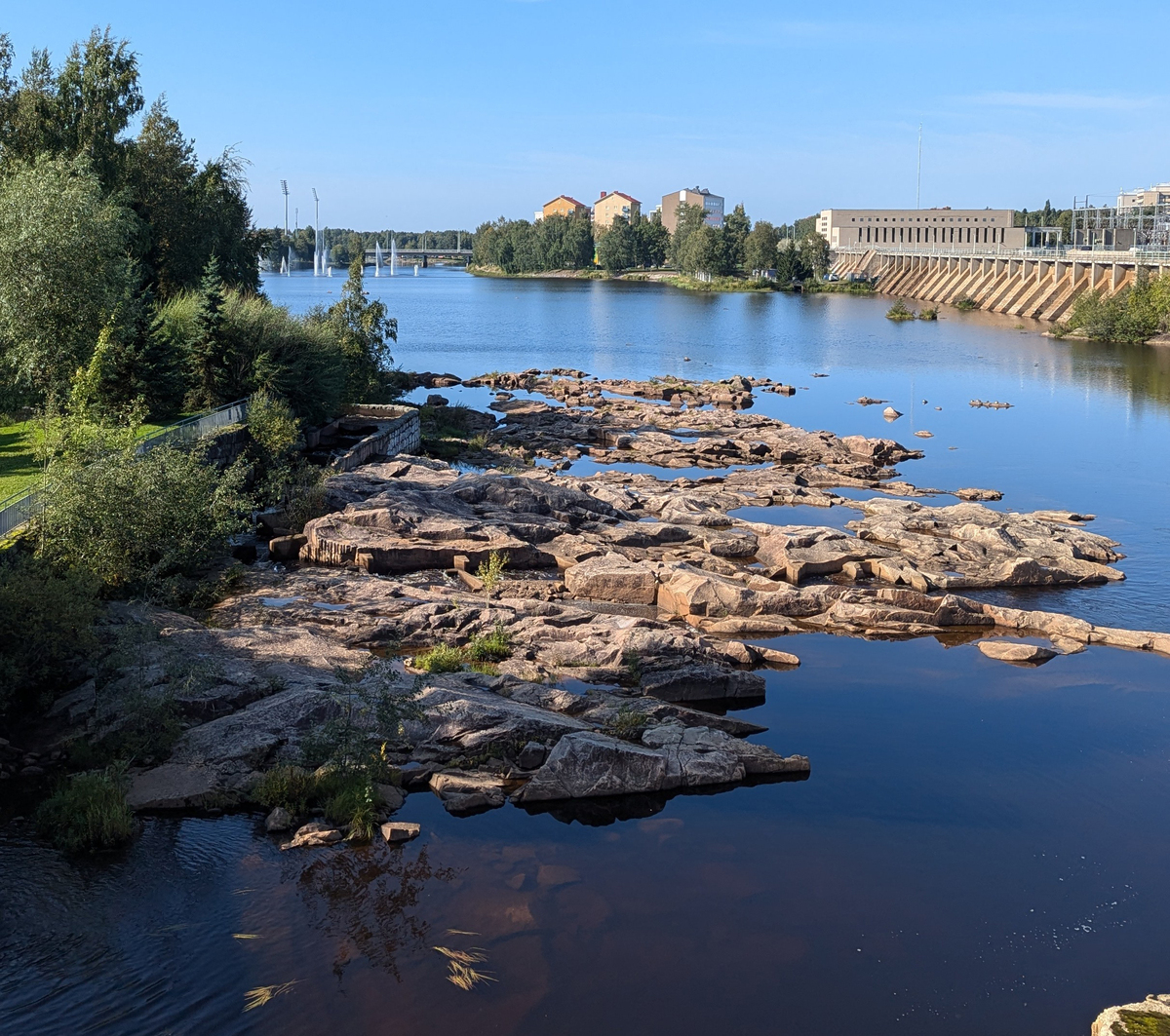
LIQUM expands water quality monitoring to the Oulujoki River
LIQUM has introduced a real-time water quality monitoring point in the Oulujoki River in Finland. The aim is to complement its long-standing monitoring and gain a better understanding of variations in the quality of river water and the drinking water supplied to buildings.
-
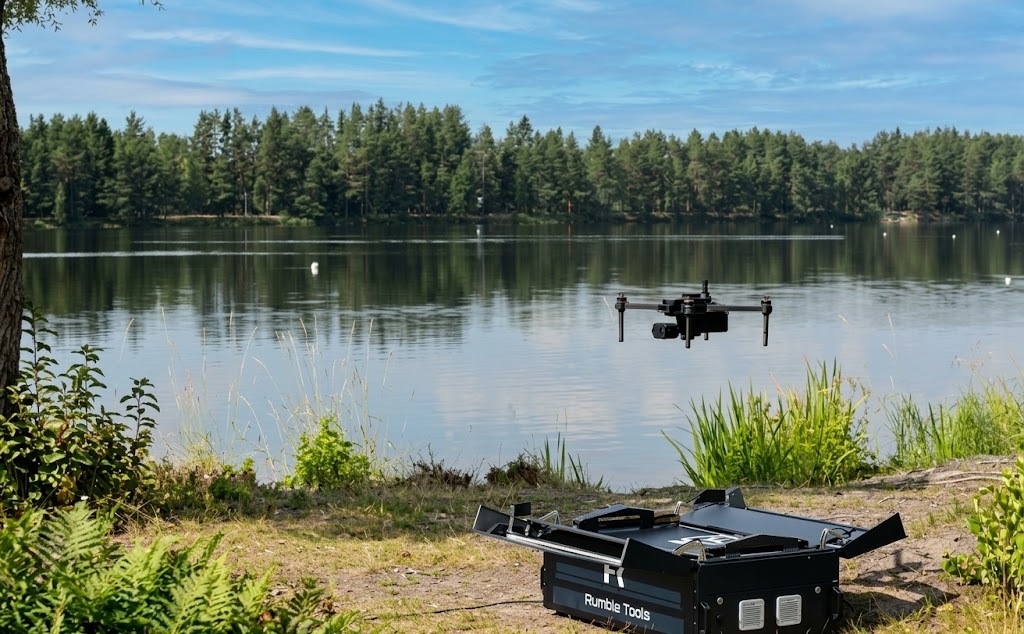
LIQUM and Rumble Tools combine real-time water quality monitoring and autonomous surveillance to strengthen drinking water safety
LIQUM and Rumble Tools are introducing an integrated service that combines real-time water quality monitoring with physical surveillance carried out by autonomous robocopters and robots.
-
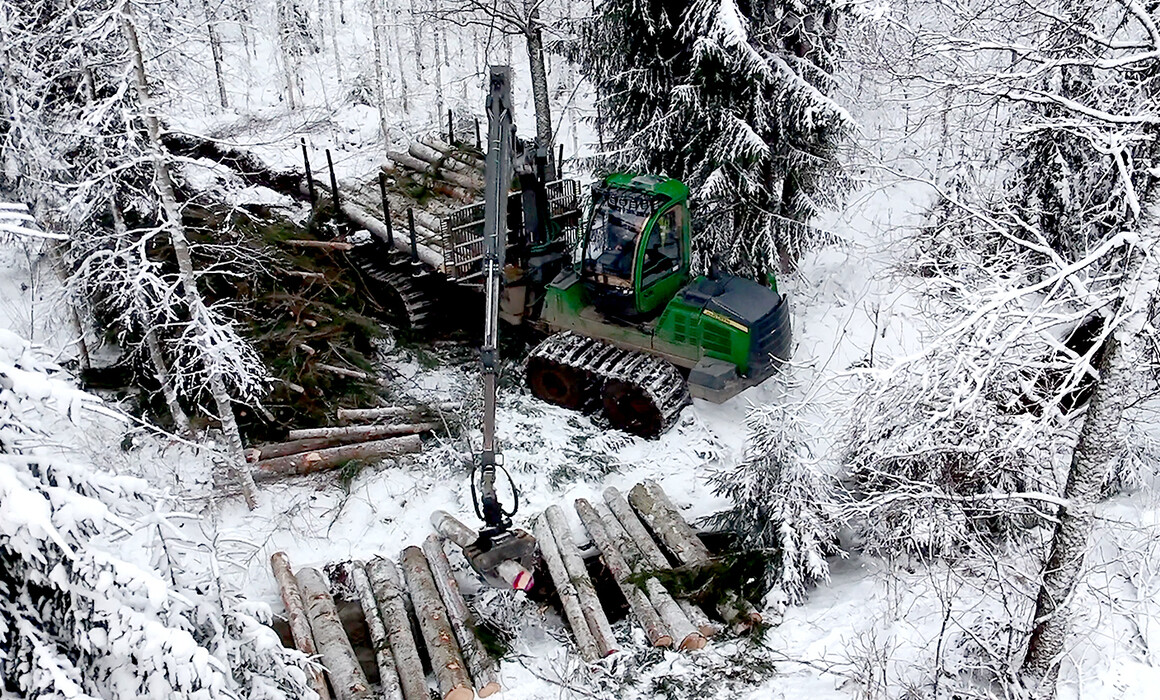
Mikon Metsäpalvelu Makes Water Quality Monitoring Part of Water Stewardship in Forestry
Forestry services company Mikon Metsäpalvelu is integrating real-time water quality monitoring into its water stewardship practices in forestry operations.